Bedding Guide
How to Choose Organic Sheets for Comfortable, All-Season Sleep
The right sheets do more than soften a bed. Fiber, weave, finish and fit all influence how bedding feels at midnight, how it performs through changing weather, and how well it holds up to the weekly wash. Here is what to look for when choosing organic sheets for comfort in every season.
Sheets are the layer closest to your skin, but buying them can feel like sorting through a vocabulary test: organic, certified, stone-washed, percale, sateen, deep pocket. Each term points to a different part of the decision. Some describe how a fiber was grown or processed. Others tell you about the fabric’s surface, its construction or the way it will fit a mattress.
For year-round comfort, no single label guarantees the perfect night’s sleep. A breathable fiber can help manage warmth and moisture, but the weave and finishing also shape the feel. A well-made fitted sheet can still be frustrating if its pocket is too shallow for the mattress. And care instructions matter: bedding that requires a routine you cannot realistically maintain may not be the best choice for everyday use.
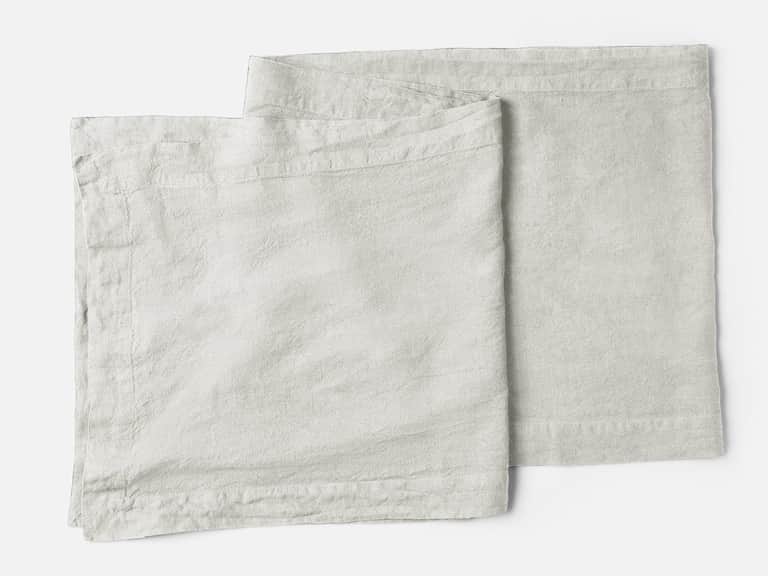
Naturepedic’s organic linen collection offers a useful example of how these details come together. Its sheets are made with GOTS-certified organic flax linen, described as 185 grams per square meter, and are available in Queen, King and California King sizes. The collection is a starting point for understanding what to compare—not a substitute for checking the exact specifications of any sheet set before buying.
Start with the fiber, not the label
“Organic” tells you something important about the material’s production, but it does not describe everything about the final fabric. Organic linen begins with flax, a plant whose stalks are processed into fibers and then spun and woven. The qualities of the finished sheet depend on the fiber itself, the yarn, the weave and the finishing steps that follow.
Linen is valued for its natural texture and airflow. Its structure allows air to move through the fabric, while its moisture-managing qualities can help keep the sleep surface from feeling clammy. That combination makes linen a compelling option for people who sleep warm or want bedding that feels at home across a range of temperatures. Its characteristic texture is part of the appeal, too: linen tends to look relaxed rather than perfectly smooth, and it often becomes softer with regular use and washing.
Those characteristics are not a promise that every sleeper will experience linen in the same way. Room temperature, humidity, mattress materials, sleepwear and personal preference all influence comfort. Some people love the tactile, slightly textured hand of linen; others prefer the smoother feel of cotton. If possible, consider how a fabric feels before committing to a complete set, and read the product details carefully rather than relying on broad claims about a fiber.
Organic certification is another part of the picture. The Naturepedic organic linen sheets are described as GOTS-certified. Certification can help shoppers identify products assessed against defined standards, but it is worth checking what a certification covers and whether it applies to the textile or the full supply chain. “Organic” and “natural” are not interchangeable with a specific third-party certification, and neither word alone tells you how a finished sheet will feel.
For a closer look at the collection, see Naturepedic Organic Linen Sheets. The product details identify the fabric as 185gsm GOTS-certified organic flax linen, with flax grown in France and production in a GOTS-certified facility in India. These sourcing details can help clarify the product’s material story; they should be considered alongside fit, feel and care.
Understand weave, weight and finish
Fiber is only the beginning. The way yarns cross one another creates a fabric’s weave, affecting its surface, drape and perceived weight. Cotton sheets are often marketed by weave—percale for a crisp, airy feel, sateen for a smoother, silkier surface. Linen is also shaped by its weaving and finishing, but conventional cotton thread-count comparisons do not always provide a meaningful shorthand for linen. A higher number is not automatically a better match for your sleep preferences.
Weight can offer a more useful clue when a product provides it. Naturepedic lists its organic linen at 185gsm, a measurement of fabric weight per square meter. That figure helps distinguish one material specification from another, but it cannot, by itself, predict softness or warmth. Yarn quality, weave density and finishing all influence the result. Read weight as one piece of context, not as a score.
Finishing can alter a sheet’s first impression. Stone-washing, garment-washing or other softening methods may give fabric a more relaxed hand from the outset. With linen, repeated use and laundering can also change the feel over time. Product descriptions for organic linen often emphasize that the fabric softens with washing; this is a useful expectation, though the exact change varies with construction and care.
Color and finish deserve attention, too. Naturepedic’s sheet collection lists Arctic Snow, Beige, Harbor Island and Forest Canopy. A restrained palette can make it easier to coordinate sheets with duvet covers and other bedding, but color can affect care choices: wash similar shades together, especially when a fabric is new, and follow the maker’s instructions for maintaining color.
Look for clear, specific information. A good product description should identify the fiber content, fabric weight when available, finish, country or countries of origin, set contents and care instructions. If a listing uses evocative terms but leaves these basics unclear, ask questions before purchasing. Useful detail is more valuable than a string of superlatives.
Match the sheet to your mattress
Fit is a practical issue with an outsized effect on sleep. A fitted sheet that is too shallow may pull away at the corners. One with excess fabric may bunch beneath the sleeper. Before choosing a set, measure the mattress from edge to edge and include any topper or pad that will remain on the bed. Mattress depth—not just the standard size name—determines whether the fitted sheet is likely to stay in place.
Naturepedic lists a 15-inch pocket on its fitted sheet. That is a helpful specification for shoppers whose mattress and topper combination falls within the sheet’s intended depth, but it is not a universal guarantee of fit. Check whether the stated measurement refers to pocket depth, mattress depth or another dimension, and allow for any extra height created by a topper. If the mattress is unusually deep, confirm compatibility with the seller.
Also check the dimensions and contents of the set. The Naturepedic collection offers Queen, King and California King sizes. Its set includes a flat sheet, a fitted sheet and two pillowcases, with pillowcase dimensions varying by size. A set may not include every piece shown in a styled bedroom or product listing, so verify exactly what arrives. Pillowcase dimensions matter as well: a pillow that is too long or too full can make even a well-made case feel tight.
When choosing between King and California King, do not assume the names are interchangeable. The mattresses differ in proportions, and bedding dimensions may differ accordingly. Compare your mattress label and measurements with the listed dimensions before ordering. A minute spent with a tape measure is more dependable than a guess based on the bed’s appearance.
Think about comfort across seasons
All-season bedding is not necessarily bedding that feels identical in every month. It is bedding that works with the room, the sleeper and the layers around it. Linen’s airflow and moisture-management qualities can make it appealing in warm weather, while its substantial texture may feel reassuring when the room cools. A lighter blanket or duvet insert can be added or removed without changing the sheets themselves.
Instead of expecting one textile to regulate every condition, build flexibility into the bed. In warmer months, pair breathable sheets with a light coverlet or a less insulating duvet insert. When the temperature drops, add a blanket or a warmer insert while keeping the same sheet foundation. This layered approach offers more control than choosing sheets on the assumption that they will make a room cool or warm on their own.
It also helps to consider your personal sleep pattern. Someone who wakes overheated may prioritize airflow and moisture management. Someone who prefers a smooth, cool surface may want to compare linen with cotton percale. A sleeper who enjoys a soft, enveloping feel might prefer a different finish or weave. No fiber is universally best; the aim is to match the fabric’s qualities to the way you sleep.
Climate matters, but so does bedroom ventilation. A breathable sheet cannot compensate for a hot, poorly ventilated room, and a heavier fabric is not automatically a solution to a cold one. Bedding is one element in a larger comfort equation that includes room temperature, humidity, mattress construction and layers.
Make care part of the buying decision
How a sheet should be washed is not fine print. It is part of the product’s everyday life. Naturepedic’s product information calls for machine washing in warm water, tumble drying on low, warm ironing if desired and no bleach. Those instructions are specific to the listed collection; other organic sheets, including other linen sheets, may have different requirements.
Before buying, compare those instructions with your household routine. If you prefer cold-water washing, line drying or a particular detergent, make sure the fabric’s guidance is compatible. When instructions call for a gentle cycle or particular drying temperature, following them can help preserve the fabric’s feel and construction over time.
For routine care, separate sheets from rough or heavy items that could cause excess abrasion, such as garments with zippers or towels. Avoid overloading the washer so water and detergent can circulate. Remove sheets promptly after washing and drying, and fold or remake the bed before creases become deeply set. These simple habits can reduce unnecessary wear without turning laundry into a complicated ritual.
Use bleach only if the manufacturer explicitly permits it. Bleach can affect fiber strength or color, depending on the fabric and product. For stains, treat the affected area according to the care label and the stain type rather than defaulting to the harshest treatment. When in doubt, test a method on an inconspicuous area or contact the manufacturer.
Wrinkles are part of linen’s relaxed character. If a smoother appearance matters to you, a warm iron may help when allowed by the care instructions. If you prefer the casual look, remove the sheets promptly and make the bed while the fabric is still slightly pliable. The right approach is the one that keeps the sheets comfortable and makes their care manageable for you.
Use certifications thoughtfully
Certifications can make a complex supply chain easier to evaluate, but they should be read as evidence about defined standards—not as a guarantee of every quality a shopper might value. GOTS certification, listed for Naturepedic’s organic linen sheets, is a recognizable standard associated with organic textiles. To understand the specific scope and current requirements, consult the certifier’s official information and check that the product’s certification claim is documented.
Separate environmental claims from performance claims. Certification does not tell you whether a sheet will fit your mattress, suit your preferred texture or withstand a particular laundry routine. Likewise, a product’s breathability does not establish how its fibers were grown. A careful decision weighs both: how the material was sourced and how the finished item will function in your bedroom.
Origin details can also add useful context. A product may use fiber grown in one country, be woven in another and be finished or assembled elsewhere. These stages are not contradictory; they describe different points in production. When evaluating a sheet, look for transparent information about these steps while avoiding assumptions that a single country of origin tells the whole story.
A practical checklist before you buy
Before choosing organic sheets, slow down long enough to compare the details that are easy to overlook. A short checklist can help turn a broad search into a confident decision:
- Fiber: Confirm the stated fiber content. If you want linen, check whether the fabric is 100% linen or a blend.
- Certification: Identify the certification named by the seller and verify what it covers.
- Weave and finish: Look for descriptions that explain the fabric’s texture, weight or washing treatment.
- Fit: Measure the mattress, including a topper, and compare the result with fitted-sheet pocket depth.
- Set contents: Check which pieces are included and confirm the dimensions of sheets and pillowcases.
- Care: Make sure the washing and drying instructions fit your routine.
- Color: Choose a shade that works with existing bedding and follow instructions for washing it safely.
- Preference: Be honest about the texture you enjoy. Natural fibers can feel distinct, and personal comfort is the final test.
The best sheet is the one that works in your real bedroom
Choosing organic sheets is not simply a search for the most impressive label. It is a practical decision about how a textile is made, how it feels against the skin, whether it fits the bed and what it asks of you on laundry day. Fiber sourcing and certification provide one kind of information. Weave and finish help explain the hand. Pocket depth and set dimensions determine whether the sheets work on the mattress. Care instructions show what long-term use may involve.
Naturepedic’s organic linen sheets make those questions concrete: GOTS-certified flax linen, a listed weight of 185gsm, a 15-inch fitted-sheet pocket, a defined range of sizes and straightforward machine-wash instructions. For shoppers drawn to linen’s breathable, naturally textured character, those specifications offer a useful basis for comparison. The final choice should still reflect mattress measurements, preferred feel, room conditions and care habits.
Comfort is rarely a matter of one perfect purchase. It is the result of layers that suit the sleeper and a textile that earns its place through regular use. Compare the details, measure carefully and choose the fabric you will be glad to climb into—on a bright summer night and on the first cool evening of the season.